News Report
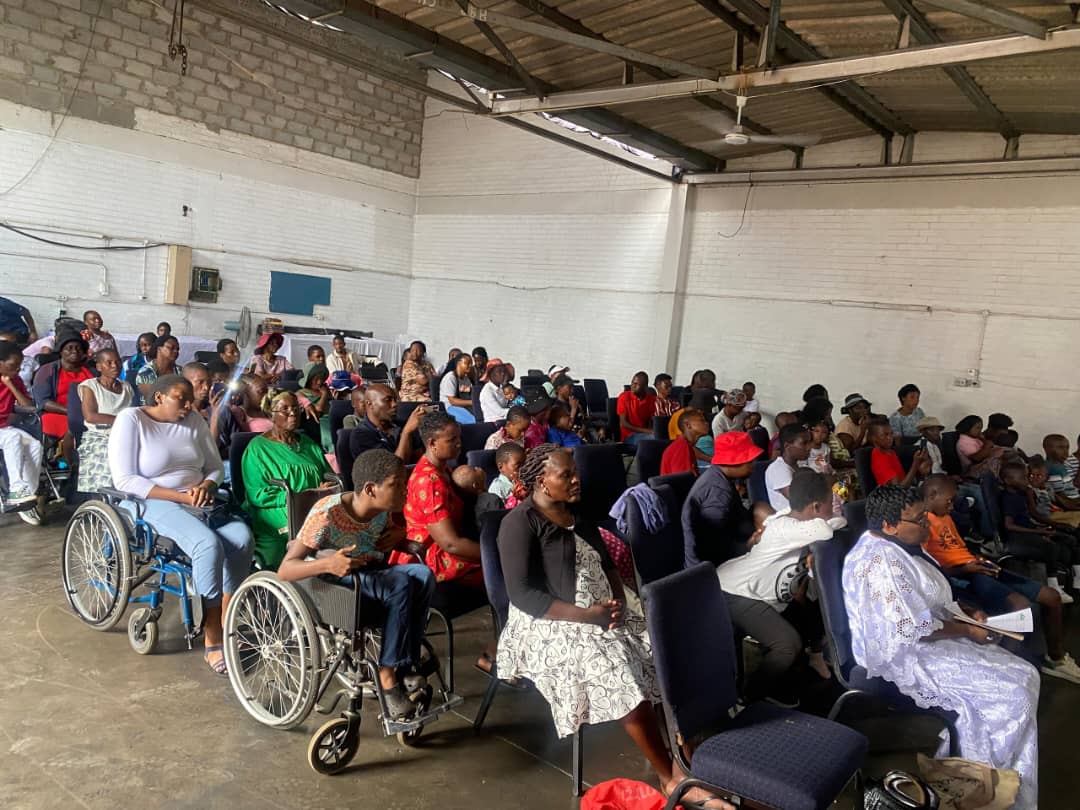
The upcoming Gukurahundi Community Outreach Programme has sparked controversy, with critics questioning its structure and credibility. Despite concerns, the program is set to begin on June 26, 2025. The hearings will be held privately, with each victim appearing alone or with minimal family support before a 14-member panel led by a local chief.
Many see the format as intimidating, especially for women and elderly survivors. Grace Noko, Vice Chairperson of the ZPRA Veterans Association, has rejected the format, citing fear and trauma. “A panel of 14 against one instills fear,” she said. Noko also questioned the selection of chiefs, arguing that many were too young during the 1980s genocide to fully understand its gravity.
Political activist Chilumbo Mudenda has echoed these concerns, saying the process lacks credibility and legal grounding. “The government must rethink its approach or risk deepening the wounds it claims to heal,” he said. Mudenda argued that the current approach fails to address the personal, communal, political, and socio-economic consequences of Gukurahundi.
Critics are calling for a neutral, regionally-led process, like the Motlanthe Commission. “Victims deserve an independent, inclusive, and transparent process,” Mudenda said. The question remains: will the government listen to the concerns and revamp the process, or will it proceed with the current format?
The success of the Gukurahundi hearings depends on addressing the concerns raised by critics. The government must consider the need for a more inclusive and transparent process that prioritizes the needs and voices of victims. By doing so, the hearings can potentially bring healing and justice to those affected by the genocide.
end //..


 Rebecca Nyathi