
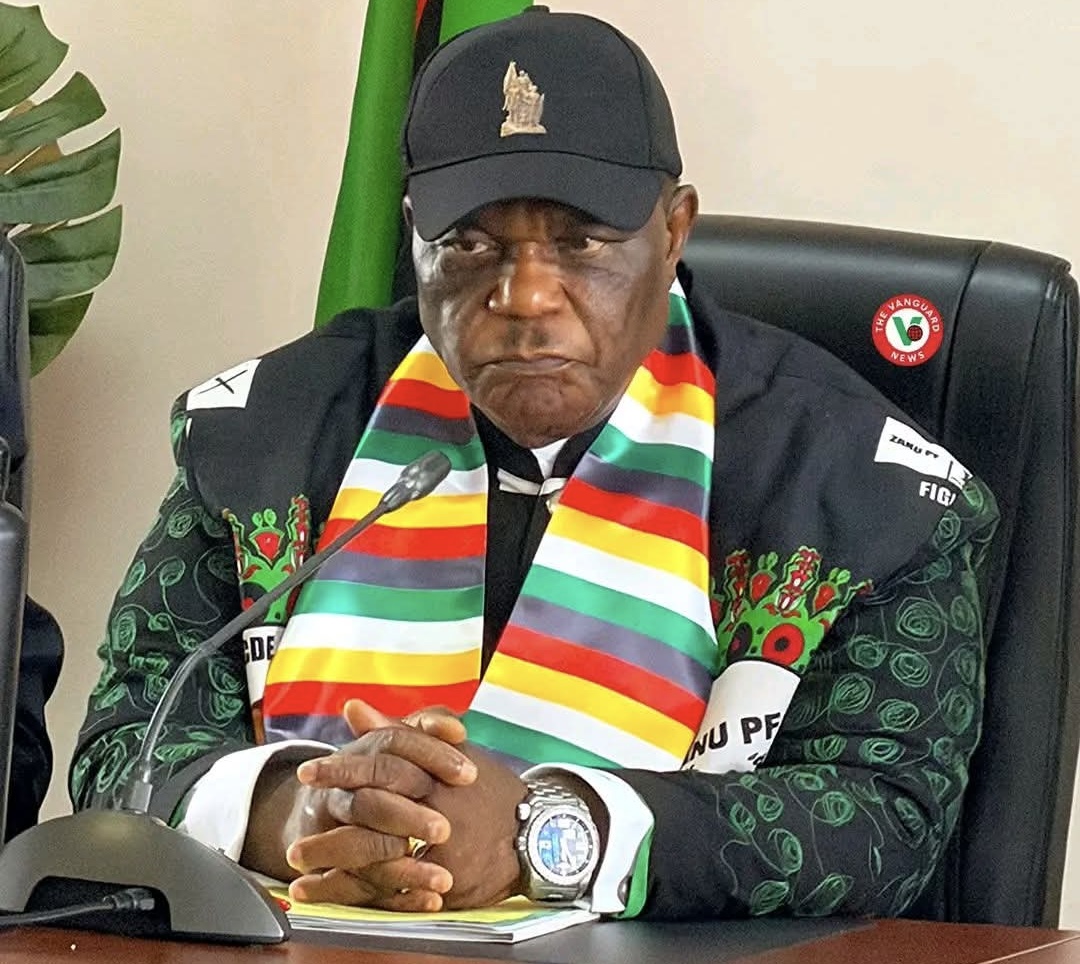
Vice President Constantino Chiwenga has reportedly warned the ruling ZANU-PF leadership that pushing through Constitutional Amendment No. 3 without a national referendum could carry serious political consequences.
Sources say the warning was delivered during a recent politburo meeting, where tensions reportedly escalated between Chiwenga and allies of President Emmerson Mnangagwa.
The proposed amendment is widely believed to be linked to efforts to extend Mnangagwa’s stay in power beyond the current two-term constitutional limit.
Heated Politburo Exchanges
According to insiders, the meeting saw a heated confrontation between Chiwenga and State Security Minister Lovemore Matuke.
The disagreement reportedly began when Chiwenga insisted that any changes to presidential term limits should be decided through a national referendum, rather than being passed solely through parliament.
Matuke is said to have challenged the vice president’s stance, accusing some members of contradicting the party’s official position.
The argument reportedly drew in Defence Minister Oppah Muchinguri-Kashiri and ZANU PF national commissar Munyaradzi Machacha, who sided with Matuke during the exchange.
Liberation Struggle Reference
During the tense discussion, Chiwenga reportedly reminded colleagues of his liberation war credentials, saying he fought to free the country while some others avoided participating in the struggle.
Observers say the comments reflected the deepening divisions within ZANU PF’s top leadership.
Earlier Remarks Sparked Speculation
The politburo confrontation followed remarks Chiwenga made at a funeral linked to the late liberation war veteran Kumbirai Kangai.
At the event, he spoke about the principle of “one man, one vote,” a statement many interpreted as an indirect criticism of attempts to alter presidential term limits.
Chiwenga has previously criticised the so-called “2030 agenda”, describing it as an attack on the values of the liberation struggle and warning that it could be driven by individuals seeking to exploit the country’s resources.
Mnangagwa’s Response
Soon after those remarks, Mnangagwa appeared to respond during a central committee meeting, where he criticised what he described as “malcontents” pursuing self-serving agendas within the party.
Political analysts say the ongoing debate over the constitutional amendment could also be tied to internal power struggles, particularly concerning future presidential succession.
Public Hearings Begin
Parliament is expected to begin public hearings on the amendment bill this week.
Reports indicate that rallies supporting the amendment are already taking place in some areas. In Mhondoro-Mubaira, presidential adviser Paul Tungwarara was reportedly seen distributing cash, bicycles and food hampers at a gathering backing the proposal.
Meanwhile, civil society groups have raised concerns about unequal treatment by authorities, alleging that meetings organised by anti-amendment groups are being blocked while pro-government gatherings are allowed.
Opposition figures warn that rising tensions around the amendment debate could eventually trigger public protests if the issue continues to escalate.

