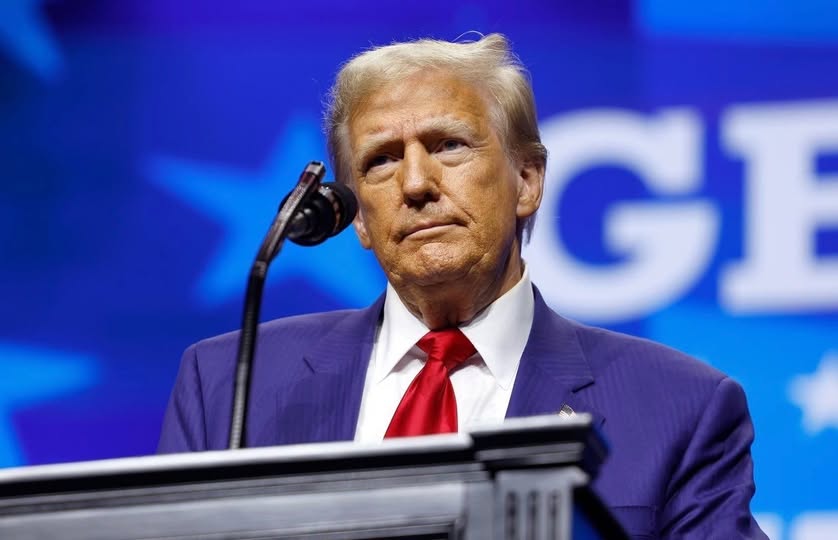
In a significant policy move, former U.S. President Donald Trump has extended his administration’s travel restrictions to include 15 additional countries, among them Zimbabwe. The expanded ban is reportedly grounded in concerns over “widespread corruption, fraudulent or unreliable civil documents, and criminal records” that complicate the vetting process for travelers seeking entry into the United States.
The announcement, made late Tuesday, highlights Zimbabwe as a key example of these issues. U.S. officials pointed to challenges in verifying passports, birth certificates, and other civil documentation from Zimbabwe, which complicate background checks and increase security risks. The government cited “fraudulent or unreliable civil documents” as a major factor in the decision, reflecting longstanding concerns about governance and record-keeping systems in the country.
Zimbabwean citizens who previously had access to U.S. visas may now face additional scrutiny or outright bans, depending on the specific categories affected. The move is consistent with Trump’s broader immigration and national security agenda, which has emphasized strict vetting procedures and travel restrictions from countries perceived as posing security threats.
Critics of the decision argue that the ban unfairly targets countries with governance challenges and may exacerbate diplomatic tensions. Zimbabwean officials have yet to issue a formal response, but such restrictions could impact travel, trade, and diplomatic relations between the two nations.
This expansion follows a pattern of travel bans instituted earlier in Trump’s tenure, which initially focused on countries in the Middle East and Africa. The inclusion of Zimbabwe and 14 other nations signals a continued emphasis on addressing what the administration describes as “security vulnerabilities linked to documentation fraud and corruption.”
As of Wednesday, December 17, 2025 UTC, the full list of newly banned countries has not been publicly disclosed, but Zimbabwe’s inclusion underscores the U.S. government’s ongoing concerns about the integrity of civil documentation and the challenges it poses to national security vetting processes. end //..